5 Questions to Ask Before Starting a Home Remodel in 2026
January 31, 2026
Remodeling your home is exciting, but let’s be honest, it can also feel overwhelming. Between budgets, timelines, and design decisions, many homeowners feel stuck before they even begin.
Successful remodels don’t start with floor plans or Pinterest boards. They start with the right questions.
Before you call a builder, interview designers, or start pulling inspiration images, here are five questions to ask before starting a home remodel in 2026. Answering these questions will help you plan smarter, reduce stress, and make confident decisions.
1. What problem am I actually trying to solve with my home remodel?
This may sound simple, but it’s the most important question of all, and one that is often skipped.
Instead of starting with what you want to change, start with why.
- What’s working well in your home right now?
- What feels frustrating, awkward, or limiting?
- What do you love that you want to preserve?
- Where does your home no longer support how you live?
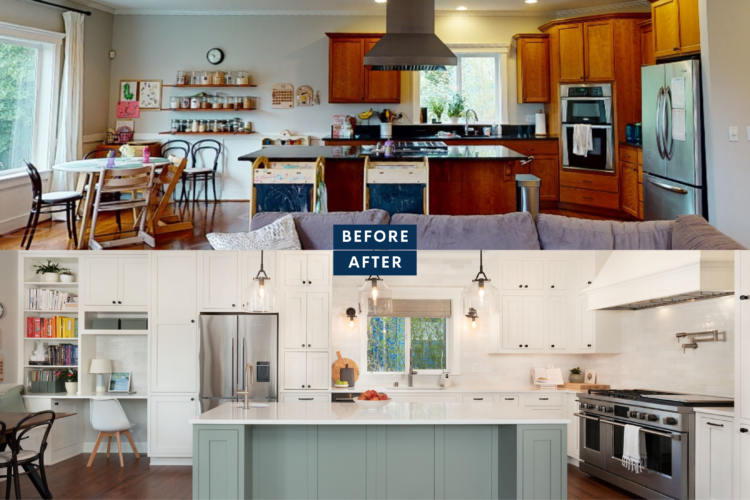
Sometimes the problem is obvious: a kitchen that isolates instead of connects, a home that’s too small, a dining room that never gets used, or a layout that doesn’t match how your family lives. Other times, it’s subtler, like a house that technically works, but no longer supports your lifestyle.
Getting clear on the real problem helps guide every decision that follows—and prevents costly changes mid-project.
2. Do I need design services, construction services, or both?
Not every project needs full design services, but many do, especially when planning a remodel that involves layout changes, permitting, or structural work.
Ask yourself:
- Am I reworking layout, structure, or flow?
- Do I need help translating ideas into buildable plans?
- Will this project require permits or city approvals?
- Do I want support navigating hundreds of design decisions?
For larger remodels, additions, or whole-home projects, a design-build approach can reduce stress and surprises. Design and construction teams work together from the beginning, aligning vision, budget, and feasibility early.
You don’t need to have everything figured out upfront. In fact, that’s the point of design. We often describe our early design phase as structured listening—a time to explore options, test ideas, and make informed decisions before construction begins.
3. How will I live in my home during construction?
Preparing for a home remodel also means planning for real life during construction.
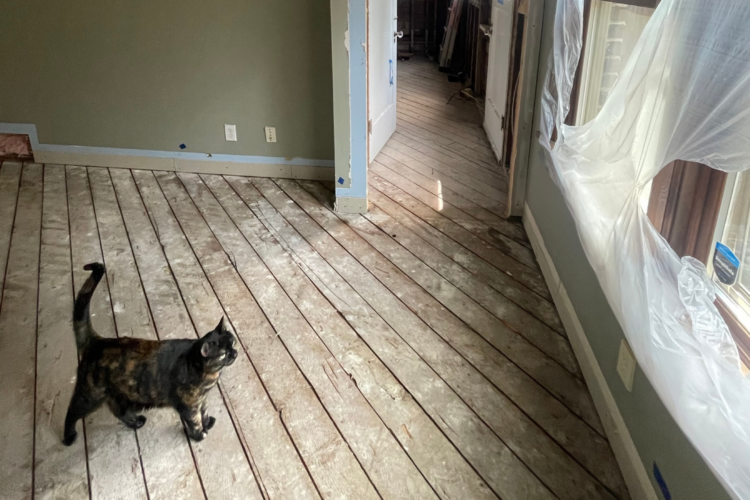
Some smaller remodels allow you to stay comfortably in your home with minimal disruption. Others make daily life more challenging, especially when kitchens, bathrooms, or main living areas are affected.
Things to consider:
- Will I have access to a working kitchen and bathroom?
- How will noise, dust, and limited access affect daily routines?
- Do I work from home or have young kids or pets?
- Would temporarily moving out reduce stress—or add it?
There’s no one-size-fits-all answer. Some families prefer to live through construction. Others choose short-term rentals or stay with family. What matters most is setting expectations early and planning accordingly.
A good remodeling partner will help you think through this, not just from a logistics standpoint, but from a quality-of-life perspective.
4. What’s my “why” behind this renovation?
Remodeling is a significant investment of time, money, and emotional energy. Understanding your motivation helps you make better decisions when trade-offs inevitably arise.
Ask yourself:
- Is this about staying long-term and aging in place?
- Is it about adapting to a growing family?
- Is it about improving daily life?
There’s no wrong answer, but clarity matters. Your “why” influences everything from material selections to scope decisions to budget priorities.
When your goals are clear, it’s easier to stay grounded when faced with tough choices. It’s also easier for your design and construction team to advocate for what truly matters to you.
5. How should I choose the right remodeler?
Not all remodelers are the same, and the right fit matters just as much as experience or price.
When evaluating builders, look beyond the estimate.
Ask:
- Do they listen before offering solutions?
- Are they transparent about process, pricing, and expectations?
- Do they explain how decisions are made? And when?
- Do their values align with yours?
In Seattle especially, remodeling costs reflect real factors: skilled labor, permitting requirements, material quality, and thoughtful planning. A lower bid isn’t always a better value, especially if it comes with shortcuts, unclear scope, or poor communication.
A successful home remodeling partnership is built on trust, communication, and shared expectations. You should feel informed, respected, and supported—not pressured or rushed.
A Final Thought
At the end of the day, remodeling isn’t about creating a “perfect” home. It’s about creating a home that supports who you are and how you want to live.
If you’re feeling unsure where to start, that’s okay. You don’t need all the answers, you just need the right questions. And when you’re ready to explore what’s possible, a good conversation is always the best first step.
If you’re considering a remodel and want to talk through your goals, questions, or concerns, we’re always happy to start with a conversation.