A Day in the Life of a Superintendent
February 28, 2026
In residential remodeling, Superintendents are the first to arrive and often the last to leave. They coordinate trades, walk homeowners through details, solve problems in real time, and ensure the vision created during design is executed with care.
At Harjo Construction, the Superintendent role is both logistical and relational. To explore what that really looks like, we sat down with our Operations Manager, Stacey Spencer, who began her career in the field as a Superintendent before moving into leadership. Her perspective reflects not only the daily rhythm of the job, but how the role has evolved as our team has grown.
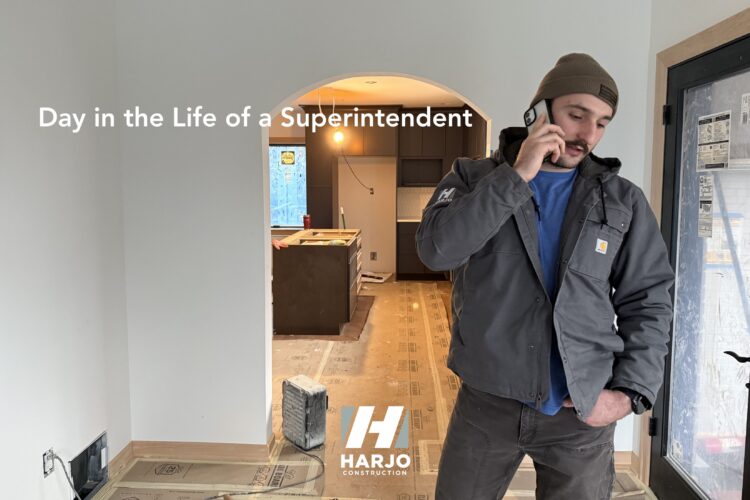
What does a typical day look like for a Superintendent?
A Superintendent’s day depends on the phase of the project, but it almost always starts early.
When I was in the field, I’d arrive before trades—usually around 7:15am if crews were arriving at 7:30am. I’d unlock the site, turn on the lights, and get everything ready for the day.
One of the most important parts of the job is building relationships with trade partners. Taking a moment to check in and asking how someone’s kid’s soccer game went goes a long way. That human connection builds trust, and trust builds better collaboration on site.
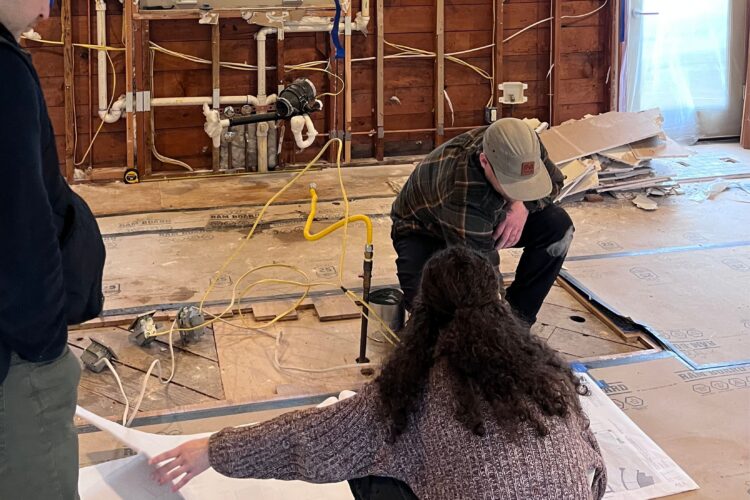
From there, the day often begins by reviewing the scope of work with whoever is on site. Sometimes the person doing the work isn’t the same person who was originally scheduled, so walking through exactly what’s happening that day is critical. If plumbing rough-in is happening, for example, we review valve locations, confirm shower head heights, and ensure everything matches the plans before work begins.
Throughout the day, a Superintendent moves between job sites—coordinating trades, confirming schedules, and walking through details, often with homeowners. Electrical walkthroughs are a great example: something may look correct on paper, but in real life, cabinet depths, crown molding, or fixture placement can shift how it functions. Catching those adjustments early prevents costly rework later.
The day ends the way it begins: checking in. Confirming who’s coming tomorrow, updating schedules, and tidying the site. I’m a big believer that a clean job site matters. Afternoons often include sweeping, organizing materials, and planning ahead to minimize unnecessary trips and delays.
How many projects does a Superintendent typically manage?
Typically, a Superintendent manages two to three projects at a time, depending on size and complexity. Larger projects, such as full home remodels or additions, may require more focused attention.
The role is approximately 80% supervision and 20% hands-on work, which may include punch list items, minor installations, or pre-drywall checks.
What is a “three-week lookahead,” and why is it important?
A three-week lookahead is a detailed planning tool that breaks the larger project schedule into specific, actionable tasks over the next three weeks.
It helps a Superintendent think through:
- What needs to happen each day
- Which subcontractors must be scheduled and confirmed
- What materials need to be ordered and delivered
- What tools or equipment are required
- What approvals or inspections must happen before work proceeds
It’s essentially a zoomed-in version of the overall schedule. Instead of simply knowing the project phase, the lookahead ensures everything required to keep the project moving is actually ready. It also helps subcontractors understand how their work impacts the trades that follow.
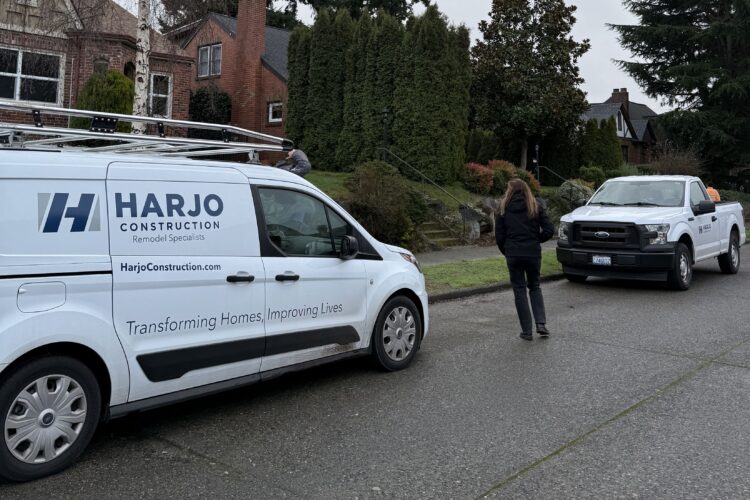
What is the first thing a Superintendent thinks about when starting the day?
Safety is always paramount.
That means ensuring the site is secure, railings are in place, hazards are marked, and tools are stored properly to prevent theft or accidents.
Beyond safety, the first priority is lining up subcontractors—confirming who’s arriving, when they’re arriving, and what they’re accomplishing. Inspection days are especially critical. Missing an inspector can significantly delay a project.
Superintendents are also constantly thinking about schedule and budget. Every day matters, and staying on track directly impacts the overall success of the project.
What does success look like at the end of a day or week?
Success means the project is on schedule and on budget, with happy subcontractors and informed homeowners.
It also means addressing issues early. I always say that bad news doesn’t smell better with time. Communicating challenges quickly allows the team to solve them before they grow.
Humility is part of success too. Asking questions, admitting when you don’t know something, and owning mistakes builds trust with both clients and trade partners.
How do Superintendents communicate with homeowners during construction?
Clear communication and healthy boundaries are key.
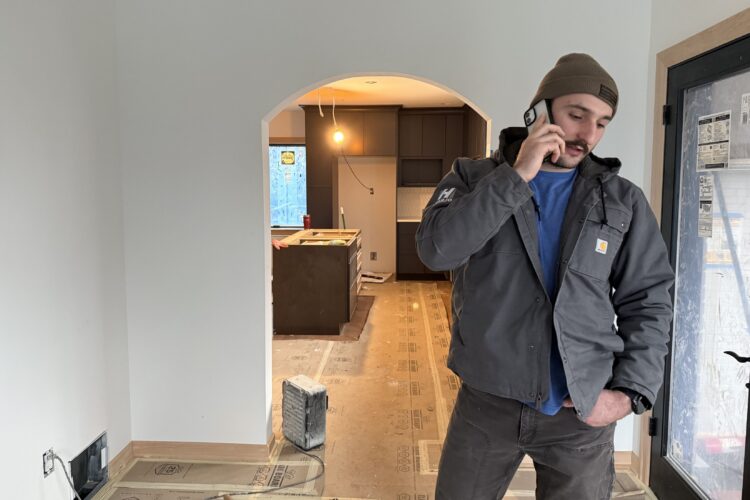
Homeowners had my phone number for emergencies, but it was important to clarify what actually constituted an emergency.
Generally:
- Financial questions go to the Project Manager
- Schedule and site-related questions go to the Superintendent
Weekly updates and regular check-ins support overall communication. Superintendents play a major role in helping homeowners feel informed and comfortable. Letting clients know who’s on site, what’s happening that day, and what to expect next builds trust and confidence.
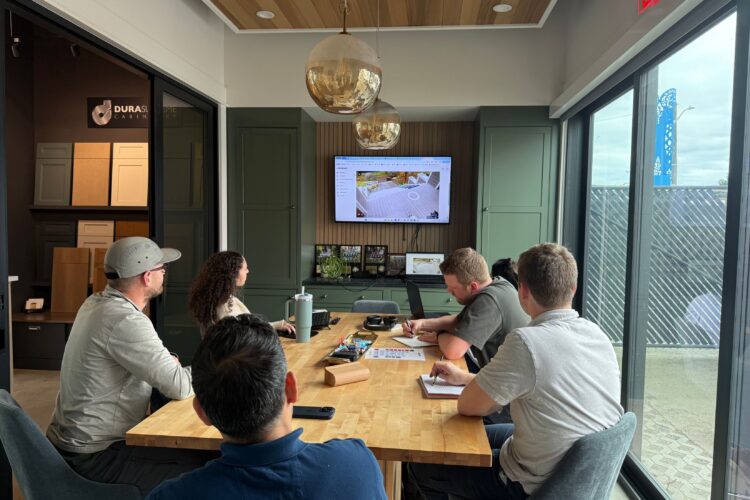
How often do Superintendents communicate with the rest of the team?
Communication happens at several levels:
- Daily 15-minute morning huddles outlining priorities with other Superintendents and the Project Management team
- Weekly internal meetings with the Project Coordinator, Project Manager, and often Design
- Weekly client meetings, depending on project needs
- Dedicated Teams chats for documented, project-specific communication
This layered communication structure ensures alignment across design, project management, and field execution.
What soft skills make someone successful as a Superintendent?
Curiosity, humility, and communication.
Asking questions—especially of architects, engineers, and skilled trades—shows respect for their expertise and leads to better outcomes.
Owning mistakes is equally important. When something goes wrong, clients want honesty and a solution, not defensiveness. Confidence grows over time, but it’s grounded in being clear, accountable, and human.
How does Harjo support Superintendents today compared to the past?
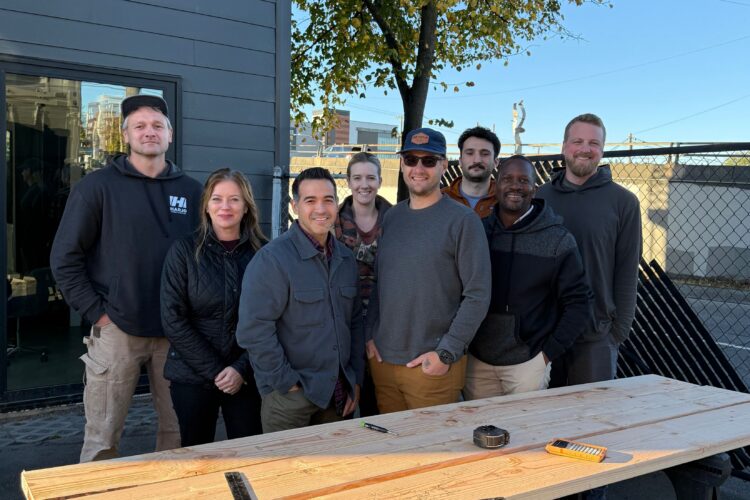
Harjo has become much more team-oriented.
In the past, Superintendents often operated independently, running meetings and managing communication largely on their own. Today, Project Managers and Superintendents work in close alignment, creating a stronger and more cohesive team structure.
It’s less like working alone and more like synchronized swimming—everyone moving together toward the same goal.
How do Superintendents shape the homeowner experience?
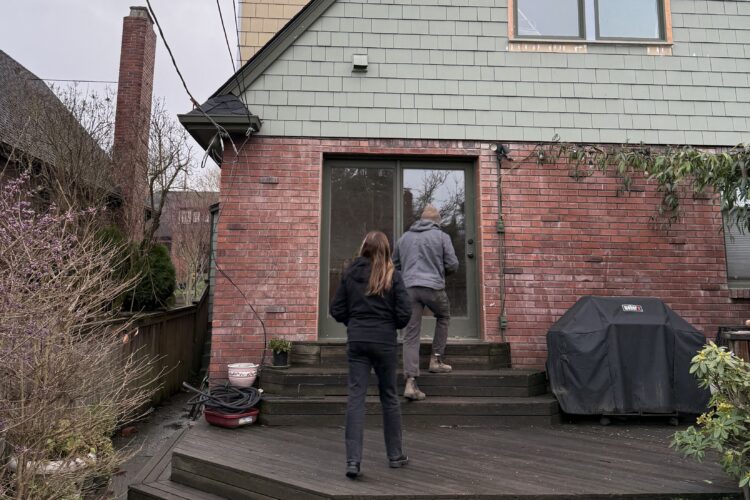
Through communication and presence.
Homeowners are often curious, not critical. A Superintendent who explains what’s happening helps clients understand the value of professional supervision.
When homeowners know what’s happening on site, why it matters, and what’s coming next, trust grows. That trust leads to smoother projects and clients who feel confident investing further in their homes.
What tools and systems do Superintendents use?
Superintendents rely on several tools to manage projects effectively:
- Microsoft Project for scheduling
- Procore for documentation, photos, RFIs, submittals, meeting notes, incidents, and daily logs
- Teams for project-specific communication
- Laptops and mobile devices for on-site coordination
Daily logs are particularly critical. They document what happens on site each day and protect both the client and the company.

What do you wish homeowners understood about the Superintendent role?
Homeowners often see the finished product and the design decisions, but they don’t always see the coordination happening behind the scenes.
Superintendents manage schedules, inspections, subcontractors, materials, and countless details to ensure everything comes together as intended. That level of oversight allows homeowners to enjoy the process without needing to manage it themselves.
As Stacey described, behind every successful remodel is a Superintendent quietly managing hundreds of moving parts each week.
While design sets the vision and project management oversees the bigger picture, the Superintendent ensures the work happening each day reflects both. It’s a role built on trust, preparation, and steady leadership, one that shapes not only the outcome of a project, but the experience of building it. Get to know our current team of Superintendents, and let us know if you want to chat about a potential project.
Related Posts: