Building a Home Remodeling Budget: Expenses Homeowners Should Plan For
June 29, 2026
Whether you’re just starting to explore ideas or you’re ready to begin design, creating a realistic home remodeling budget is an important part of the process. Most homeowners spend time researching costs and gathering estimates, but it’s easy to focus on the visible parts of a remodel while overlooking some of the expenses that come with the project.
Understanding what to expect—from known costs to potential surprises—can help you plan with confidence and build a home remodeling budget that’s prepared for the realities of remodeling.
Known Costs to Include in Your Home Remodeling Budget
Permits, consultants, and city fees
Most remodeling projects require permits, and depending on the scope, they may also involve structural engineers, surveyors, geotechnical engineers, or other consultants.
Many remodeling companies coordinate this work on your behalf, but the fees themselves are often paid directly by the homeowner rather than being included in the construction contract. Before your project begins, ask who is responsible for these costs, what they’re expected to be, and whether they’re included in your overall project budget.
Temporary living arrangements

Not every remodel requires moving out, but some do.
If you’re remodeling your kitchen, multiple bathrooms, or a large portion of your home, it may be more practical (or simply more comfortable) to stay elsewhere for part of the project. Even if you remain in the house, you may want to budget for storage, extra meals out, pet boarding, or other temporary accommodations that make construction easier to live with.
These aren’t construction costs, but they’re still part of the overall investment.
Unexpected Remodeling Costs to Plan For
What gets discovered after the walls are opened
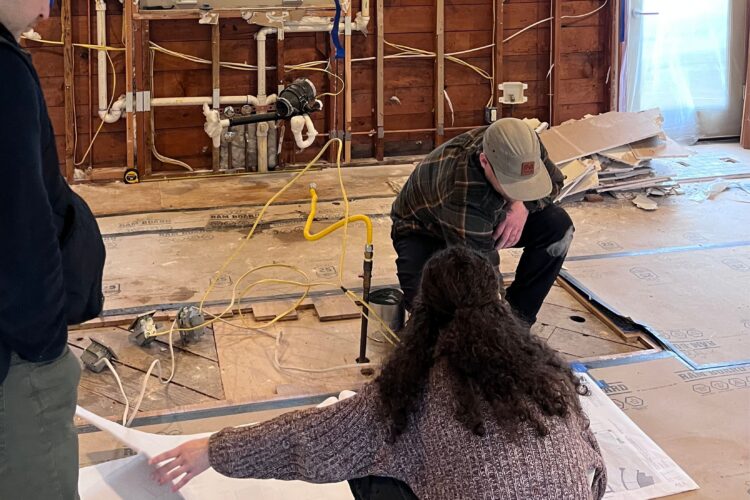
This is probably the biggest unknown in any remodel.
Once demolition begins, your team can finally see what’s hidden behind walls, beneath floors, or above ceilings. That’s when issues like water damage, outdated wiring, plumbing problems, missing insulation, or previous DIY work sometimes come to light.
Many older Seattle homes have been remodeled several times over the decades, and it’s not uncommon to uncover conditions that simply couldn’t have been seen during the planning phase.
While experienced remodelers know where problems are most likely to appear, no one can see through finished walls. Building a little flexibility into your budget can provide peace of mind if an unexpected issue is uncovered during construction.
Unexpected code requirements
Even with thorough planning, inspectors may occasionally require work that wasn’t anticipated before construction began.
For example, opening a wall might reveal missing insulation that now needs to be brought up to current code, or an inspector may require an additional correction based on conditions uncovered during construction.
These situations aren’t common on every project, but they’re one reason experienced remodeling teams recommend leaving some flexibility in your budget.
Exterior repairs after construction
Construction is naturally hard on the areas surrounding the work site.
Contractors do everything they can to protect your home and landscaping, but weeks or months of foot traffic, material deliveries, equipment, and temporary access routes can leave behind some wear and tear.
Depending on your project, you may choose to budget for reseeding lawn areas, refreshing landscaping, repairing pathways, or other exterior touch-ups once construction is complete.
The Hidden Cost of Remodeling: Your Time
One of the biggest investments in a remodel isn’t financial—it’s personal.
Throughout the project, you’ll make dozens of decisions, review drawings, visit showrooms, respond to questions, and coordinate around construction in your daily life.
Some remodeling companies handle more of that coordination than others, but every successful remodel benefits from an engaged homeowner. Building time into your schedule can make the experience significantly less stressful.
How to Build a More Realistic Remodeling Budget

While no remodel is completely free of unknowns, there are several ways to make unexpected costs less likely.
- Work with a team that invests time in planning before construction begins. The more decisions made upfront, the fewer surprises you’ll encounter later.
- Ask what’s included in your proposal—and what isn’t. Understanding who pays for permits, consultants, and other third-party services helps create a more complete budget.
- Build some flexibility into your budget. Every remodel is different, but leaving room for unforeseen conditions can help keep one unexpected discovery from becoming a major setback.
- Talk openly about risk. An experienced remodeling team should be able to explain where unknowns are most likely to exist in your specific project and how they’ll communicate if something unexpected is discovered.
The Bottom Line
No homeowner likes unexpected expenses, but they’re often a normal part of remodeling, not a sign that something has gone wrong.
The best way to protect your budget isn’t simply finding the lowest estimate. It’s working with a team that plans thoroughly, communicates clearly, and helps you understand where uncertainty still exists before construction begins.
If you’re thinking about remodeling your home and have questions about budgeting, planning, or what to expect, we’d be happy to help. Our team is always available to talk through your project, answer your questions, and help you understand the process before you decide to move forward. Contact us to start the conversation.
Related Posts: